

Key Takeaways
- Stamp duty (transfer duty) is the single largest upfront transaction cost for Australian property investors, adding 3.5% to 5.5% to the purchase price.
- Investor purchases generally do not qualify for first-home buyer exemptions or transfer duty concessions available to owner-occupiers.
- Victoria, New South Wales, and South Australia operate the highest transfer duty schedules on median-priced dwellings.
- Foreign purchasers face substantial additional statutory surcharges (ranging from 7% to 9% depending on the state).
When modeling the acquisition budget for an Australian residential investment property, many first-time investors focus primarily on accumulating their 20% mortgage deposit. However, the largest upfront friction cost that must be settled in cash at completion is state government transfer duty—commonly known as stamp duty. Because stamp duty scales progressively with purchase price, accurate state-by-state budgeting is essential to avoid an unexpected liquidity shortfall.
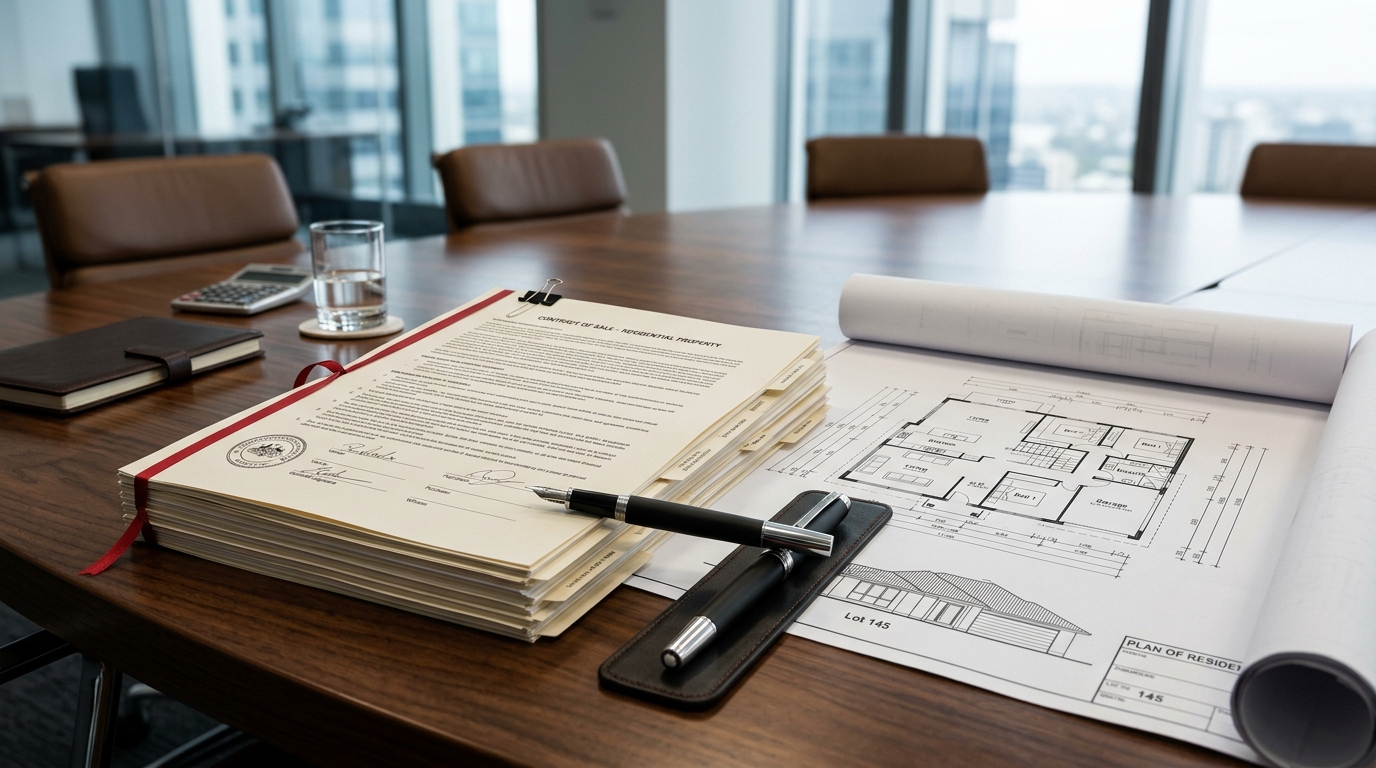
How Transfer Duty Is Calculated
Stamp duty is an ad valorem tax levied by state and territory revenue offices on the dutiable value of the transacted property (typically the agreed contract sale price). Each jurisdiction operates its own progressive sliding scale: lower tax rates apply to initial dollar brackets, escalating to top marginal brackets for higher-priced luxury real estate.
Unlike owner-occupiers, property investors rarely qualify for stamp duty concessions, reductions, or first-home buyer exemptions. Every dollar of transfer duty must be funded from your cash savings or through funding upfront transaction expenses from equity.
State-by-State Comparison on an $800,000 Purchase
The financial impact of transfer duty varies drastically depending on the state where the property is located. On a standard $800,000 established investment property, transfer duty costs differ by more than $15,000 across state borders:
| State / Territory | Estimated Duty on $800k Investment | Effective Tax Rate | Revenue Authority |
|---|---|---|---|
| Victoria (VIC) | $43,070 | 5.38% | State Revenue Office Victoria |
| South Australia (SA) | $38,830 | 4.85% | RevenueSA |
| New South Wales (NSW) | $31,090 | 3.89% | Revenue NSW |
| Western Australia (WA) | $32,415 | 4.05% | RevenueWA |
| Queensland (QLD) | $27,850 | 3.48% | Queensland Revenue Office |
Foreign Purchaser Duty Surcharges
If you are not an Australian citizen or permanent resident, every state imposes a heavy Foreign Purchaser Additional Duty (FPAD). This statutory surcharge is charged on top of standard stamp duty rates:
- NSW, Victoria, and Tasmania impose an 8.0% foreign purchaser surcharge.
- Queensland and Western Australia charge a 7.0% surcharge.
- On an $800,000 property in Melbourne, a foreign purchaser pays the standard $43,070 plus a $64,000 surcharge—amounting to $107,070 in upfront transfer taxes.
Tax Capitalisation: Can You Deduct Stamp Duty?
A crucial rule enforced by the ATO is that stamp duty on an investment property purchase is not tax-deductible against your annual rental income. It cannot be claimed on your income tax return in the year of purchase.
Instead, stamp duty is added directly to the property’s cost base by factoring purchase duties into cost base. When you eventually dispose of the asset, this capitalised cost base reduces your assessable net capital gain, reducing Capital Gains Tax. Investors must also remain vigilant about ongoing annual taxes governed by state revenue office assessment brackets.
Off-the-Plan Stamp Duty Concessions: State Policies
A notable legislative divergence across Australian jurisdictions is the treatment of off-the-plan property purchases. In certain states, governments offer stamp duty concessions on off-the-plan apartments and townhouses, where duty is calculated solely on the land value at contract date rather than the completed construction value.
For example, Victoria has recently introduced targeted temporary off-the-plan duty concessions for buyers of residential strata dwellings, potentially saving investors tens of thousands of dollars in upfront acquisition tax. However, in states like New South Wales, off-the-plan duty concessions are restricted exclusively to eligible owner-occupiers, requiring property investors to pay the full statutory transfer duty on the total completed contract price.
Conveyancing Timelines and Stamp Duty Payment Milestones
Understanding when transfer duty becomes formally payable is critical for cash flow management during settlement. In most Australian states, stamp duty must be remitted either at settlement or within 30 to 90 days of contract execution. With modern digital settlements processed through Property Exchange Australia (PEXA), your conveyancer or solicitor coordinates duty disbursement directly from your settlement funds, ensuring seamless title transfer without incurring statutory late-lodgement penalties.